How to Make Friends in Berlin (What Actually Works)
Berlin is famously hard to crack socially — surveys back it up. Here's what actually builds friendships here, with the research on how long it really takes.

The Craft Hub Team
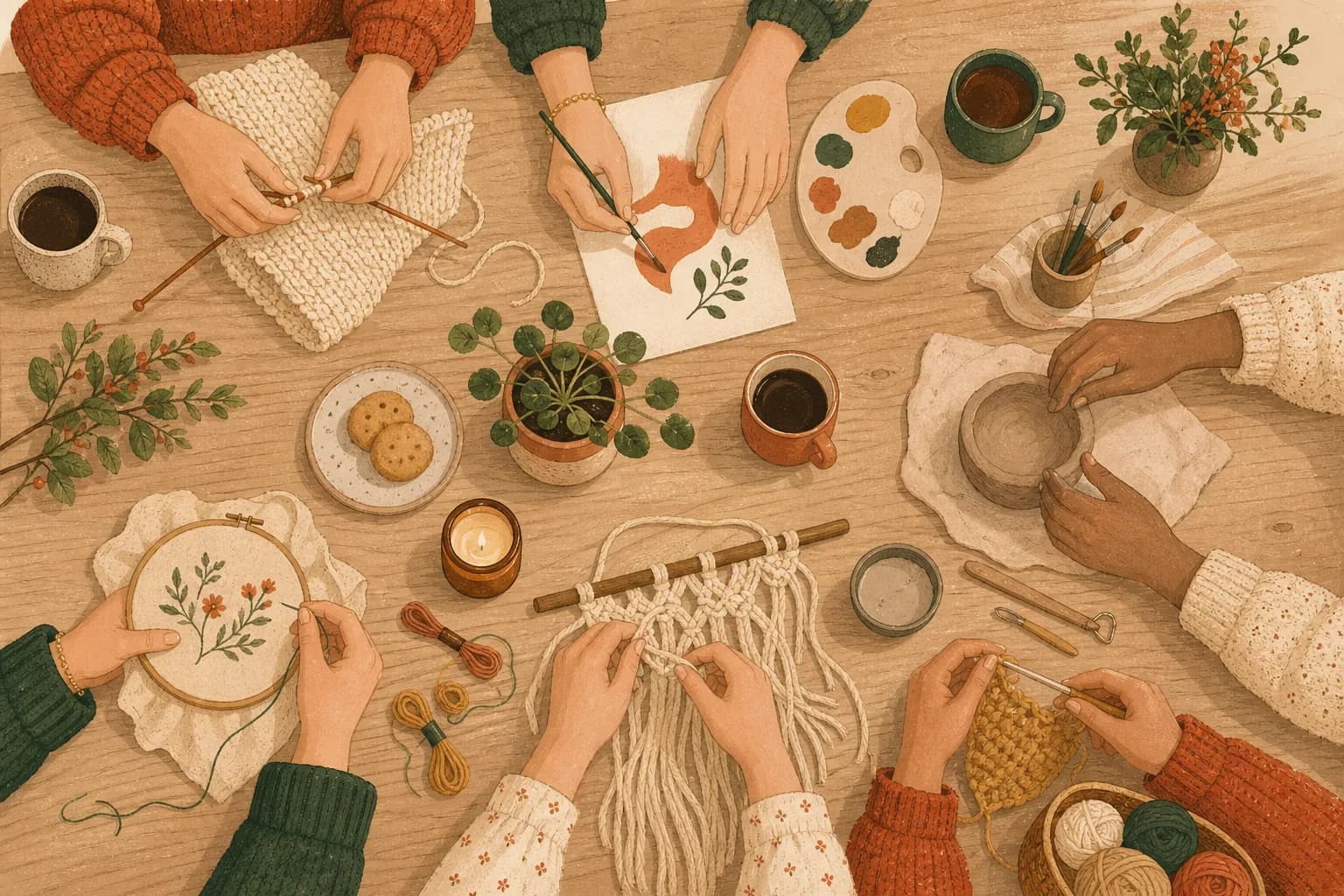
Let's start with the uncomfortable truth: no, it's not easy to make friends in Berlin — and it's not just you. In the InterNations Expat Insider survey, the world's largest of its kind, Germany ranked 50th out of 53 countries in 2024 — including 49th for local friendliness and 50th for ease of making friends. The 2025 edition wasn't kinder: 42nd of 46, bottom ten in nearly every settling-in category.
So when you feel like the city is stonewalling you socially, you're reading the data correctly. Berliners guard their time, half your new acquaintances leave within two years, and the famous Berliner Schnauze means nobody will fake-smile you into their friend group.
And yet people do build real, lasting friendships here — often deeper ones than in chattier cities. We host a weekly community craft evening in Berlin, so we watch strangers become friends for a living. Here's what we've seen actually work, and what mostly wastes your evenings.
The math nobody tells you about
Friendship has a price, and it's paid in hours. Research by Jeffrey Hall at the University of Kansas put numbers on it: it takes roughly 50 hours together to move from acquaintance to casual friend, 90 hours to "friend," and 200+ hours to close friend. Crucially, the study found that leisure hours count for far more than hours merely spent near each other (nobody befriends their whole office).
This single fact explains why most expat advice fails. A networking event gives you ninety minutes with thirty people — a rounding error toward any one friendship. The question isn't "where do I meet people?" It's "where will I see the same people for 50+ enjoyable hours?"
Why the usual advice fails here
Every guide says the same three things: join Meetup groups, use Bumble BFF, go to expat networking events. These aren't wrong, but they're all built around conversation with strangers as the main activity. Standing in a bar with a name tag, manufacturing small talk with someone you'll never see again, is exhausting for most humans — and especially pointless in a city where people are allergic to superficial contact.
The pattern behind every friendship we've watched form is different: repeated, low-pressure contact around a shared activity. Not one big social push — the same faces, week after week, with something to do so the conversation can breathe.
What actually works
1. Pick a weekly thing and keep showing up
This is 80% of it. Sports club, language tandem, climbing gym, choir, craft evening — the activity matters less than the rhythm. Two to three hours a week puts you at Hall's 50-hour casual-friend threshold in about four to six months, which matches exactly what we see at our own tables. You can't shortcut it at a networking event; you can absolutely accumulate it one Tuesday evening at a time.
The trick is choosing something you'd enjoy even if you made zero friends. That removes the desperation, and ironically that's when people warm to you.
2. Do things with your hands
There's a reason craft nights, cooking classes and bouldering halls are friendship factories while "drinks for internationals" events aren't. When your hands are busy — kneading clay, untangling yarn, taping a stencil — silence is comfortable, conversation is optional, and you skip straight past small talk to "wait, how did you do that?" Shared mild incompetence is a fantastic icebreaker.
That's the entire design principle behind our weekly Craft & Connect evenings: you come alone, sit at a big table with whatever project you're on (or borrow one), and talk as much or as little as you like. It's €13, no membership required, and the same faces come back weekly — which, see point one, is where friendship actually comes from.
3. Say yes to the follow-up, or create it
The moment a group activity ends is where most potential friendships die in Berlin. Someone says "we should get a beer sometime" and nobody ever does. Be the person who makes it concrete: "I'm going to the flea market at Mauerpark on Sunday — join me?" Specific plan, specific time, easy to accept or decline. Berliners respect directness far more than vague warmth.
4. Use apps for the first contact only
Bumble BFF and similar apps work fine for meeting people and terribly for keeping them. Treat a good app match as a candidate for your weekly thing ("I go to a craft night on Tuesdays — come along") rather than trying to sustain a friendship on one-on-one coffee dates with no shared context.
5. Learn some German, but don't wait for fluency
You can build a full social life in English in Berlin — huge parts of the city run on it. But even A2-level German changes how the city treats you, and a language course is itself a weekly-thing with built-in repeat contact. Two birds.
A realistic timeline
Based on the 50/90/200-hour research and a two-to-three-hour weekly activity:
Month 1–2 (≈10–25 hours)
Pick one or two weekly activities. Expect pleasant acquaintances, nothing more. This is normal, not failure.
Month 3–5 (≈50 hours — the casual-friend line)
Familiar faces become default company. First outside-the-activity plans happen — the threshold one-off events never cross.
Month 6+ (90 hours and counting)
You have people to text on a random Wednesday. In Berlin terms, you have made it.
FAQ
If a weekly, hands-busy, zero-pressure evening sounds like your kind of social life, come to Craft & Connect some week — solo first-timers are the norm, not the exception. Our membership includes it weekly from €18/month.
Continue Reading
A few more posts from the Craft Hub blog.
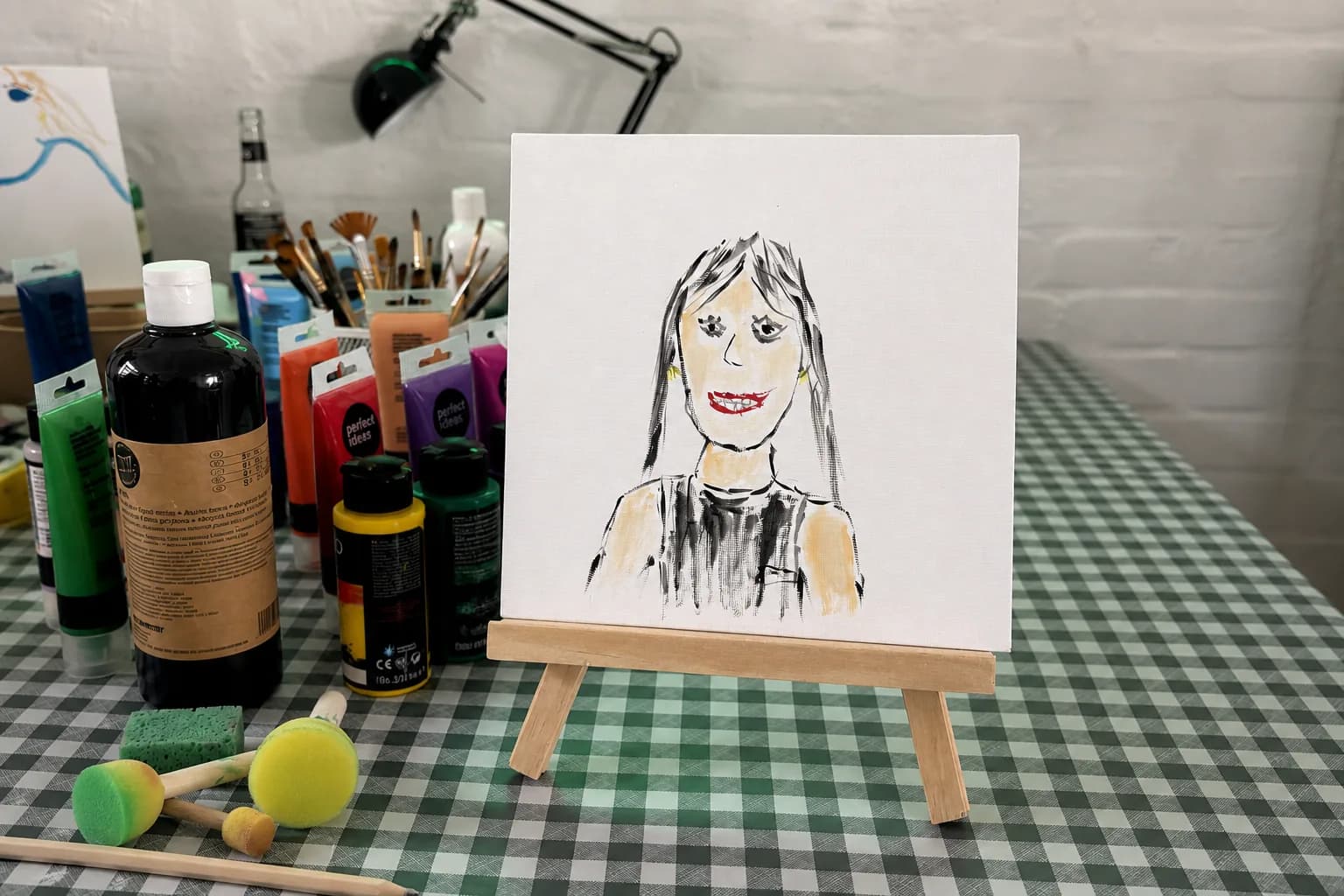
Creative Date Ideas in Berlin (Beyond Dinner and Drinks)
Relationship research says novel shared activities beat dinner dates. Here's the Berlin version — workshops, markets, saunas, and hands-on evenings for new and long-term couples.
The Craft Hub Team
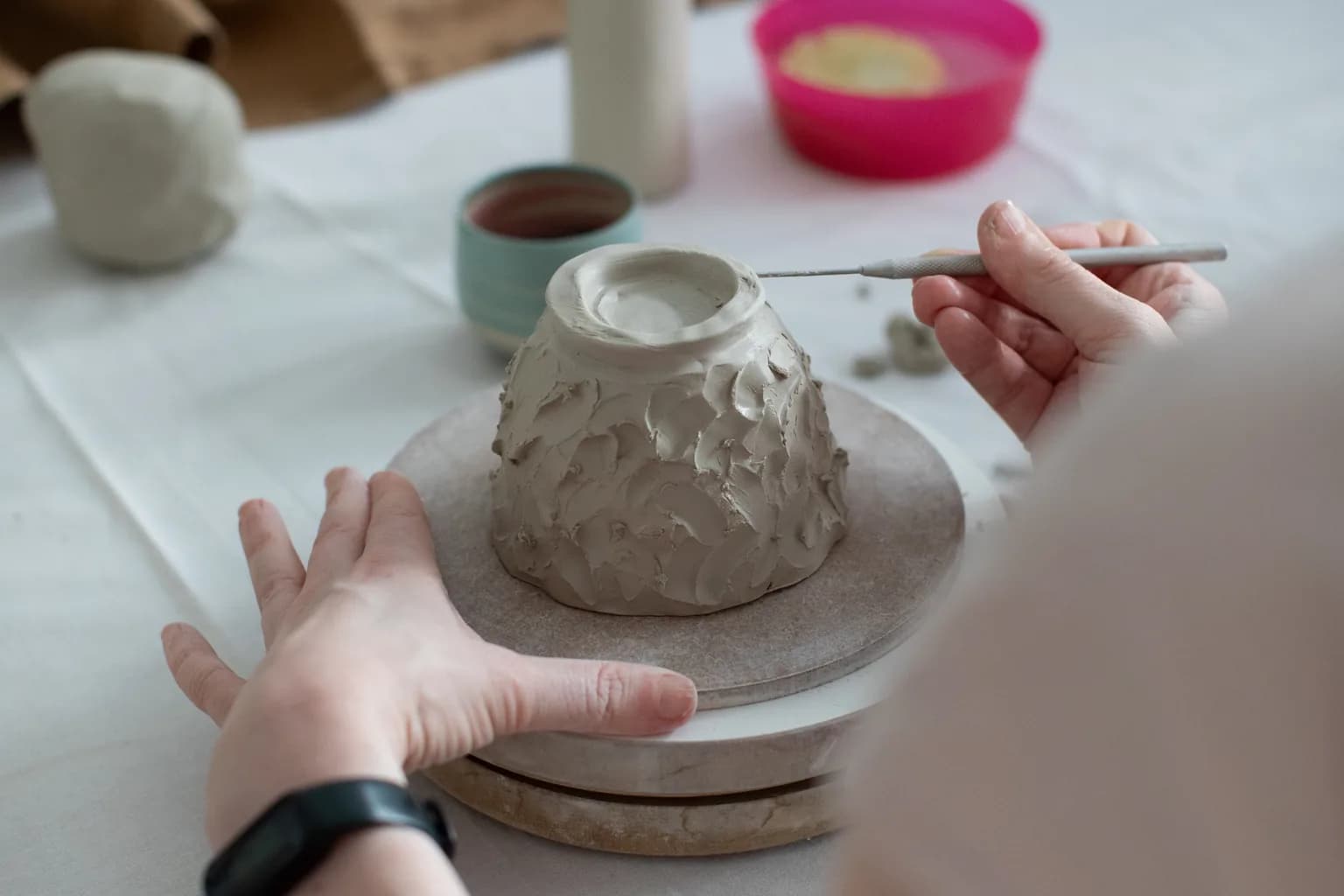
Pottery Classes in Berlin: The English-Friendly Guide
Where to learn wheel throwing and hand-building in Berlin — studios compared by neighborhood, format, and vibe, plus what a first class actually feels like.
The Craft Hub Team
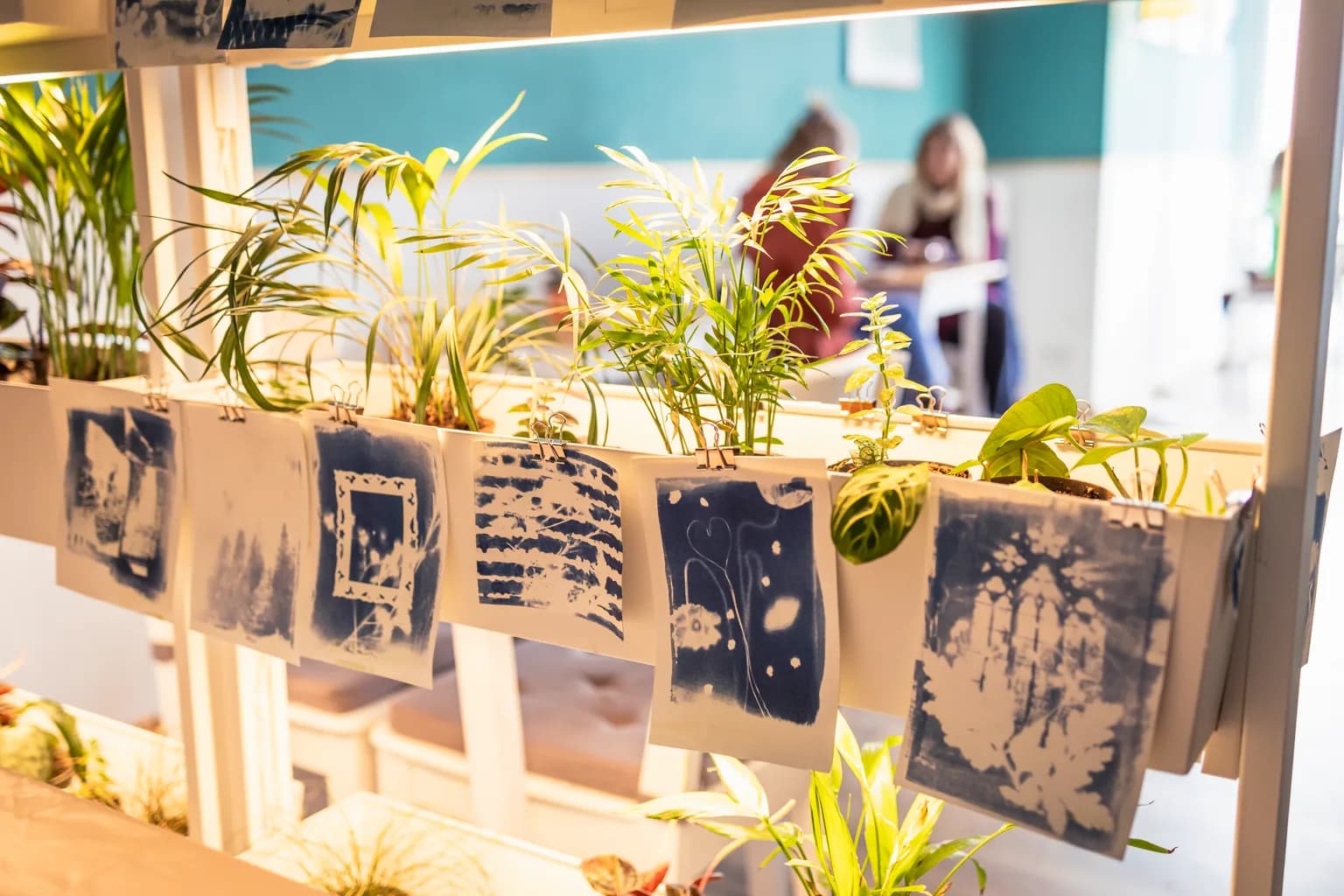
Cyanotype Explained: How Sunlight Creates Prussian-Blue Prints
A friendly introduction to cyanotype: where it came from, why the paper turns blue, how a print is made, and what affects the final result.

Iva - The Craft Hub