Pottery Classes in Berlin: The English-Friendly Guide
Where to learn wheel throwing and hand-building in Berlin — studios compared by neighborhood, format, and vibe, plus what a first class actually feels like.

The Craft Hub Team
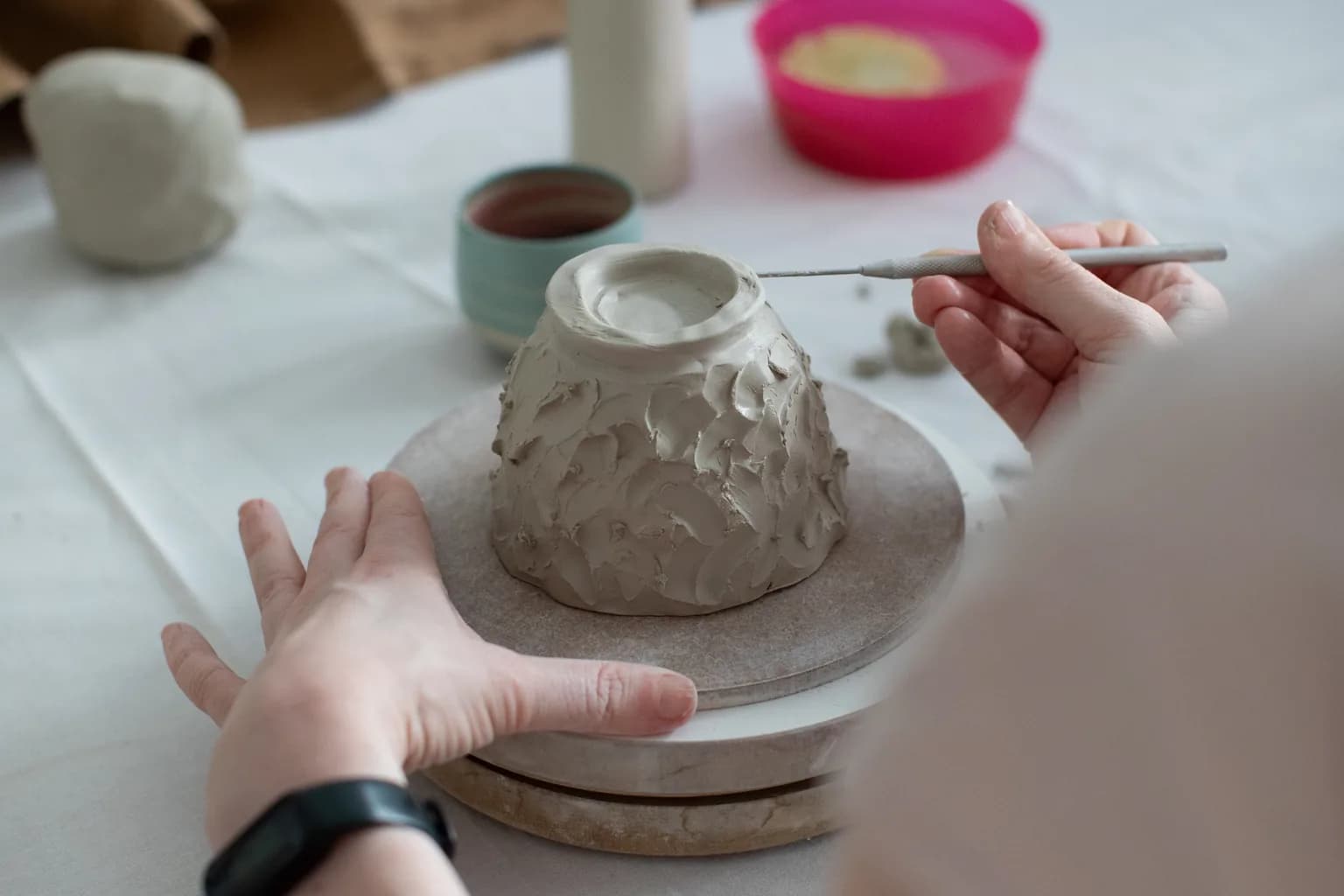
Search "pottery class berlin" and you get a wall of individual studio websites, each telling you theirs is lovely. None of them answer the question you actually have: which one should I book?
We run craft workshops in Berlin ourselves — including pottery sessions — so we know the scene from the inside. Here's the honest overview we wish existed: who teaches in English, what the formats mean, what things cost, and how to pick a first class you won't regret.
Why is everyone suddenly doing pottery?
The pottery boom isn't a Berlin quirk — it's global, and it's measurable. Harvard's ceramics program told GBH it can serve about 350 students and had 495 people on the waitlist. The usual explanation from studio owners: it's two hours where you physically cannot look at your phone.
There's harder evidence too. A 2024 study of 7,182 adults in Frontiers in Public Health found that doing arts and crafts predicted higher life satisfaction and a stronger sense that life is worthwhile — with a bigger effect on that last measure than being employed. The lead author's summary: "the impact of crafting was bigger than the impact of being in employment." Take that to your next performance review.
First, decide the format
Berlin pottery offers split into three shapes, and mixing them up is the most common booking mistake:
- One-off taster (2–3 hours). You sit at a wheel or a hand-building table, make one or two pieces, and the studio glazes and fires them for pickup a few weeks later. Ideal for dates, visitors, and finding out whether clay is your thing. Usually €40–90 per person.
- Multi-week course (4–8 weeks). Weekly sessions building real technique — centering, pulling walls, trimming, glazing. This is the route if you want to get good. Expect €150–250+ including materials and firing.
- Open studio / membership. For people who already know the basics and want wheel time without instruction. Priced monthly.
If you've never touched clay, book a taster first. Courses sell out with committed hobbyists, and you'll enjoy week one a lot more knowing you actually like the feeling of mud on your hands (some people genuinely don't).
English-friendly studios compared
Berlin's pottery studios cluster in Kreuzberg and the east. All of the below either teach in English by default or run English-friendly sessions — confirm when booking, since individual teachers vary.
| Studio | Best for | Formats | Good to know |
|---|---|---|---|
| Helka Ceramics | Casual-to-committed middle ground | Single sessions, 4-week classes | Most classes held in English |
| Plöttjes Studio | Complete beginners | Wheel + hand-building | Ceramic co-space, English-taught |
| Kleistone Studio | Hand-building fans, groups | Pinch, coil, slab — no wheel | Kreuzberg; most forgiving entry point |
| Feuer Zeug Keramik | Weekday-evening courses | Courses incl. material + firing | Long-running Kreuzberg studio, Saturday slots too |
| Ceramic Kingdom | Going deep | Wheel, glazing, slip-casting, glaze chem | The broadest program in town |
| Violaine Toth | Small-group learners | Wheel, hand-building, glazing | Smaller workshops, taught in English |
| The Craft Hub (us) | Sociable first-timers | Wheel tasters, relaxed hand-building | Always in English, ~€85 for a full wheel experience |
Marketplaces like konfetti and GetYourGuide aggregate many of these — handy for comparing dates, though booking direct usually gets you better communication with the studio.
Our own pottery sessions lean social by design — think tea and clay rather than silent concentration. See what's coming up.
What a first wheel class is actually like
Nobody tells you this, so we will: your first twenty minutes on the wheel are humbling. Centering clay looks effortless when the instructor does it and feels like arm-wrestling a wet football when you do. That's normal. Most people get one decent bowl out of a first session — and the disproportionate pride of drinking from a cup you made never really wears off.
Practical notes:
- Wear clothes that can take clay splatter. Short sleeves or sleeves that roll up. Skip the long loose scarf.
- Trim your nails if you want to throw on the wheel. Long nails and centering don't mix.
- Your pieces need to dry, get bisque-fired, glazed, and glaze-fired — pickup is usually 2–4 weeks after class. Plan for that if you're visiting Berlin short-term (some studios can post pieces, or pick hand-building with faster turnaround).
How to choose, in 30 seconds
You want a fun evening, not a hobby (yet)
Book a one-off taster or hand-building session — ours or any studio above with a date that fits. Zero commitment, you take home a real object.
You want this to become a regular thing
A multi-week course at a dedicated ceramics studio, or a Craft Hub membership if you'd rather rotate pottery with other crafts — The Workshop Pass includes €39 of workshop credit every month.
Pottery also happens to be the single most-booked format for two other occasions — we wrote separate guides for both: creative date ideas in Berlin and creative team building.
FAQ
Pottery workshops at The Craft Hub
Not sure which format suits you? These beginner-friendly pottery workshops each offer a different way to work with clay:
First Spin: Pottery Wheel Experience
Learn the basics of wheel throwing in a small class and shape your first pottery piece on the wheel. A hands-on introduction for complete beginners.
Clay & Calm: Handbuilding for Beginners
Explore the three essential handbuilding techniques and use them to create your own unique clay pieces—without a pottery wheel or any previous experience.
Tea & Clay: A Relaxed Pottery Gathering
Pair a curated tea tasting with a calm handbuilding session, then create a ceramic cup or bowl inspired by the experience.
All materials and guidance are provided. Visit the events calendar to see current dates and availability.
Continue Reading
A few more posts from the Craft Hub blog.
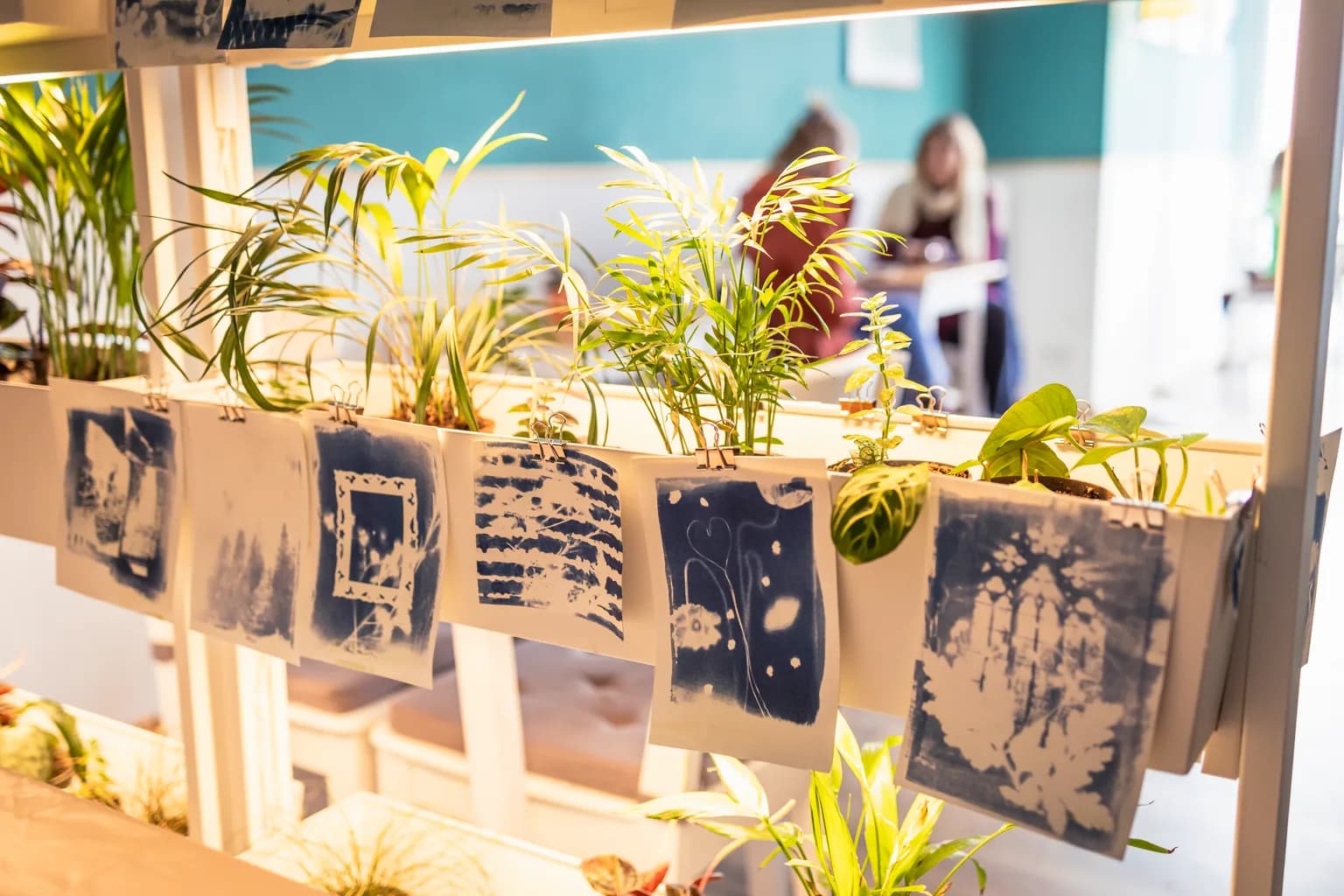
Cyanotype Explained: How Sunlight Creates Prussian-Blue Prints
A friendly introduction to cyanotype: where it came from, why the paper turns blue, how a print is made, and what affects the final result.

Iva - The Craft Hub
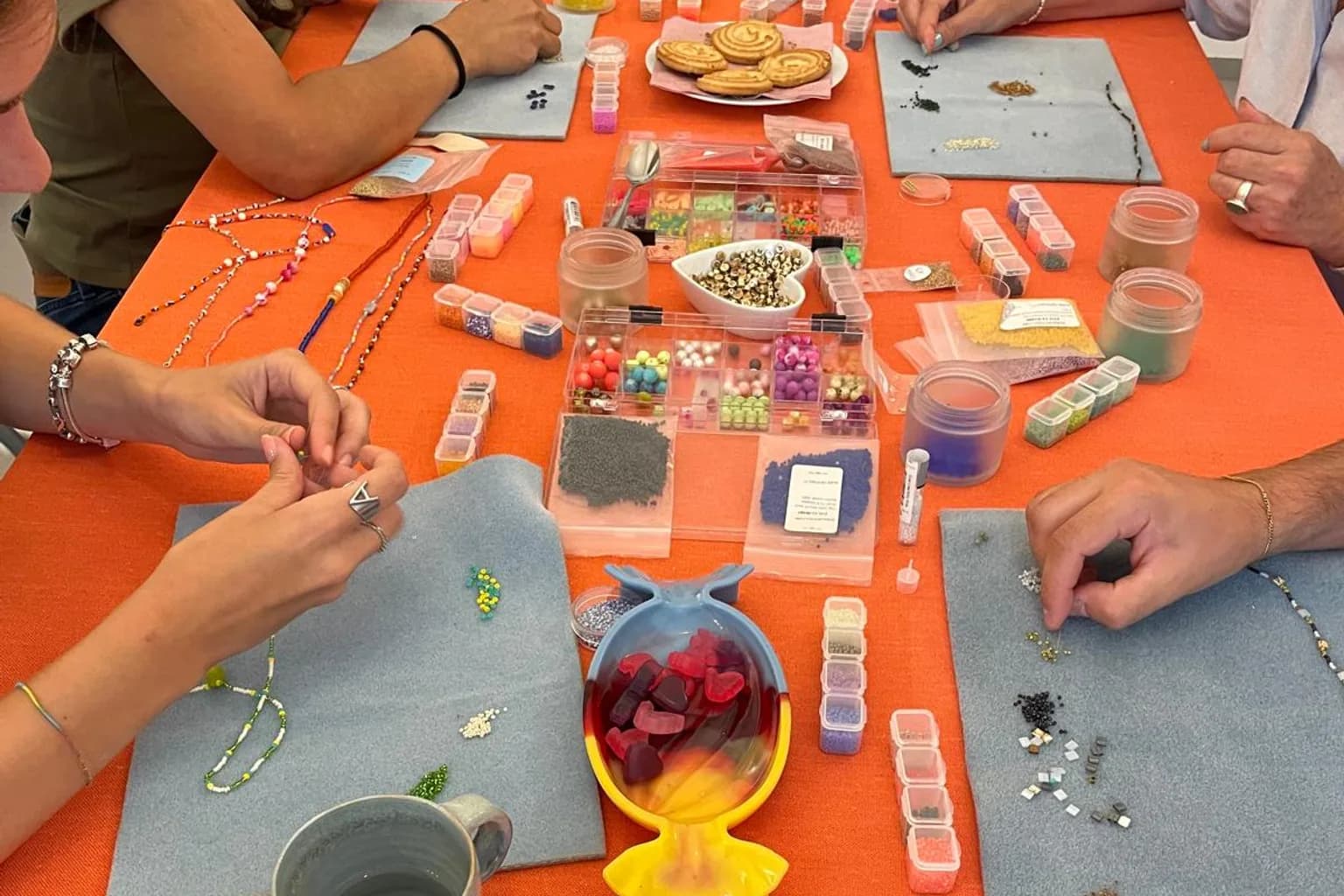
Beaded Jewelry for Beginners: Choosing the Right Thread, Wire and Findings
A concise guide to beading wire, elastic, cord, thread, crimps, clasps, and the small choices that make a necklace or bracelet comfortable and durable.
Iva - The Craft Hub
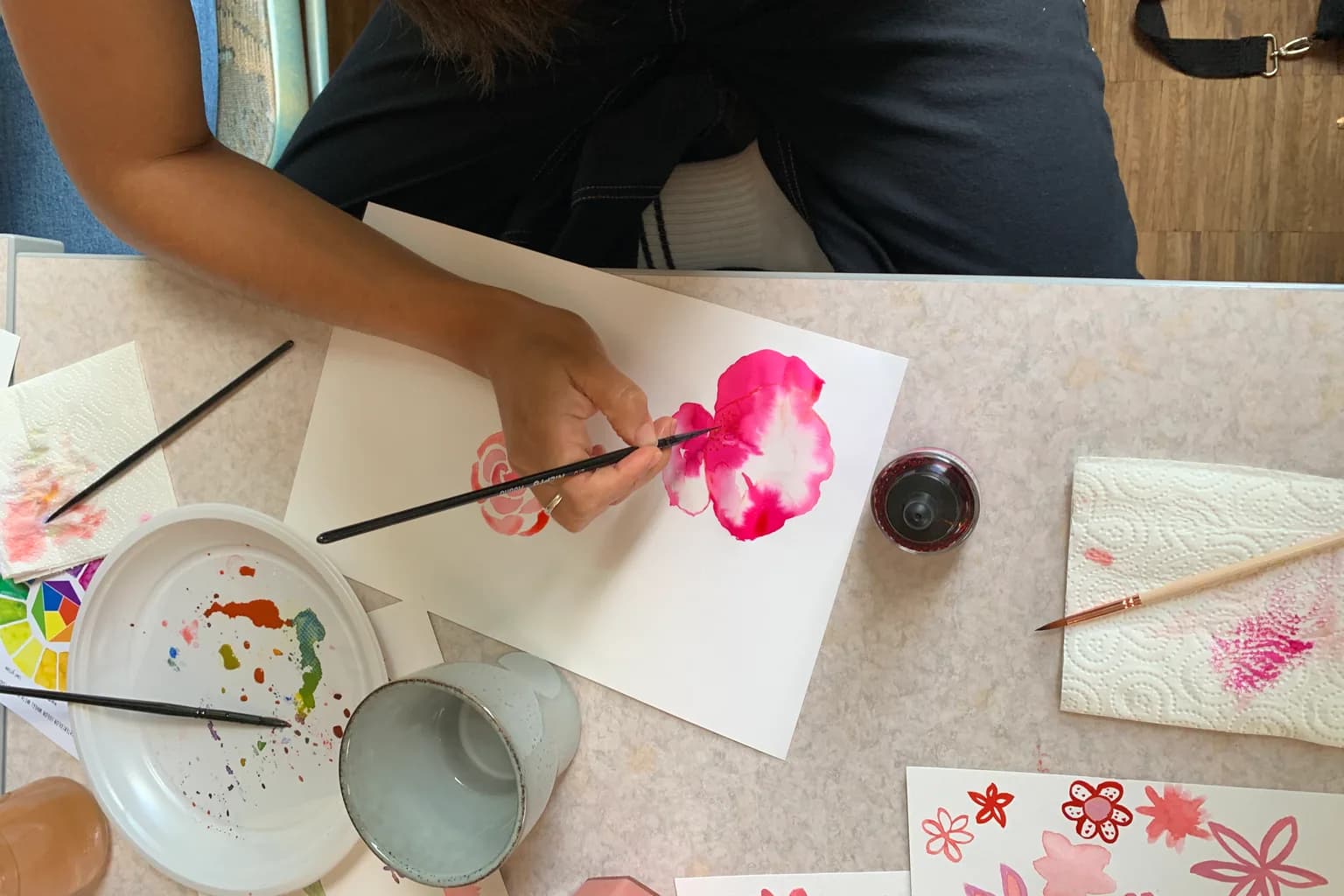
Watercolor for Beginners: 7 Tips That Make It Less Intimidating
Watercolor feels unpredictable at first. These practical tips explain paper, water control, color mixing, blooms, layering, and how to practise without fearing mistakes.
Iva - The Craft Hub